Positive Affirmations as a Tool for Resilience in Times of Stress

The Power of Positive Affirmations
In a society characterized by rapid pace and constant demand, stress is an inescapable part of the human experience. With mental health concerns on a steady rise, finding effective coping strategies has never been more crucial, and among these strategies, positive affirmations stand out as a remarkably effective tool. These concise, uplifting statements serve to build resilience, providing individuals with a method to reframe their thoughts and cultivate a more hopeful mindset.
Research has demonstrated that positive affirmations can significantly enhance various aspects of mental and emotional health. For instance, a study published in the journal *Psychological Science* found that individuals who practiced affirmations showed increased problem-solving abilities under pressure. Specifically, affirmations can:
- Enhance emotional well-being: Regular affirmation practice fosters a positive self-image, helping individuals to feel more emotionally stable.
- Improve confidence levels: By repeating affirming statements, individuals can overcome self-doubt and insecurity, leading to greater personal confidence.
- Mitigate feelings of anxiety: Affirmations can serve to calm the mind, particularly before stressful events like public speaking or job interviews.
Incorporating affirmations into daily routines provides a structured way to combat negative self-talk, which can often amplify feelings of stress and anxiety. For example, instead of thinking, “I can’t handle this,” one might recite, “I am capable of overcoming challenges.” This shift not only fosters an optimistic outlook but also cultivates the mental strength necessary to confront life’s obstacles head-on.
Tactics for Effective Affirmation Practice
As you explore the world of positive affirmations, you’ll discover various techniques that can enhance their impact. Personalization is key; creating affirmations that resonate with individual experiences makes them more powerful. Consider the following approaches:
- Creating personalized affirmations: Tailoring affirmations to reflect personal goals or struggles ensures that they resonate on a deeper level. For instance, a high school student facing exam anxiety might use, “I prepare thoroughly and perform well on my exams.”
- Incorporating mindfulness practices: Pairing affirmations with mindfulness techniques, such as deep breathing or meditation, can enhance focus and clarity, allowing affirmations to penetrate deeper into the subconscious.
- Utilizing visualization techniques: Visualizing success as you recite affirmations can strengthen the message. For example, envisioning yourself achieving a personal milestone while stating, “I am worthy of achieving my dreams,” can significantly amplify the effectiveness of the affirmation.
Understanding the profound effects of positive affirmations is vital, especially in a fast-paced and often overwhelming environment. By integrating these affirmations into daily routines, individuals can embark on a transformative journey, nurturing the resilience needed to not only cope with stress but thrive in the face of adversity. As you delve deeper into this practice, you may uncover a path toward greater well-being and a more empowered self.
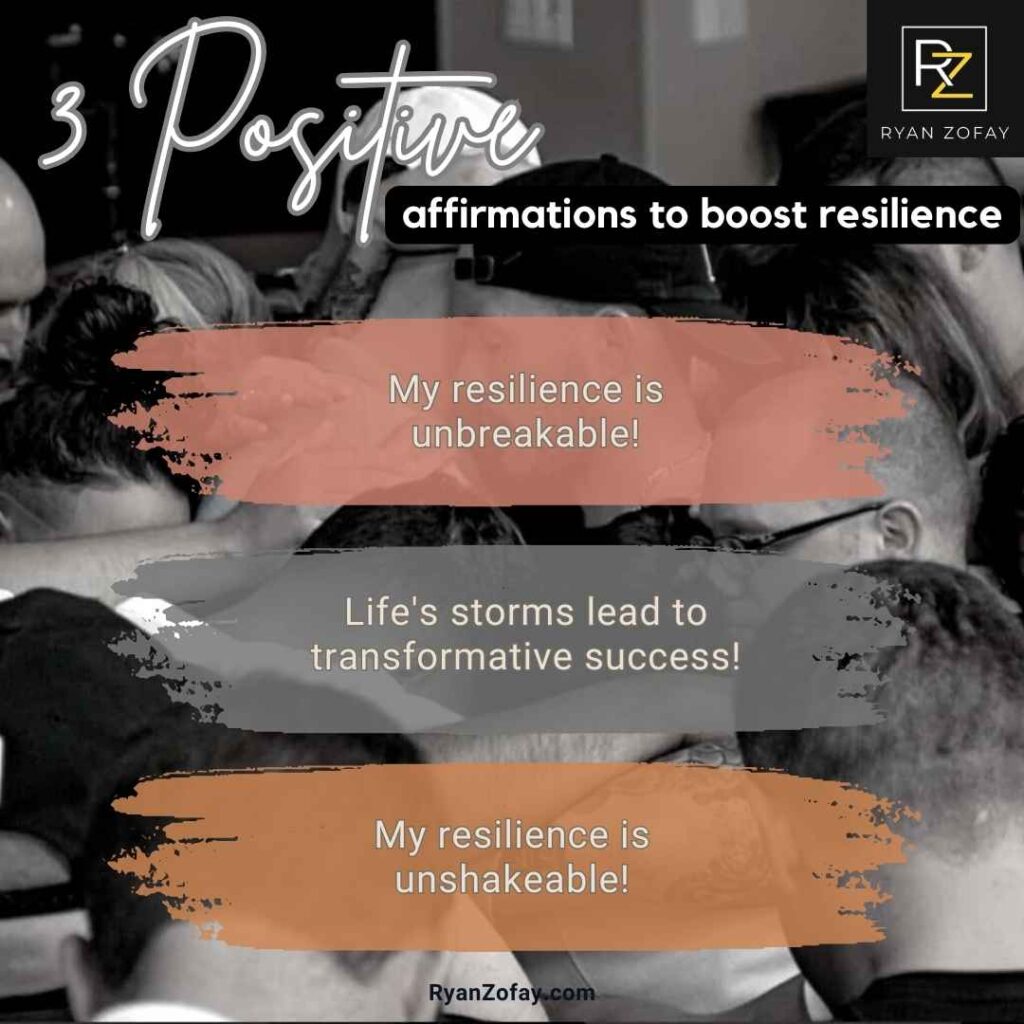
DISCOVER MORE: Click here to find out how daily affirmations can help
Transforming Thoughts Through Positive Affirmations
In the realm of mental health and personal growth, the concept of positive affirmations is gaining traction as a formidable tool for resilience, especially in stressful circumstances. Research shows that adopting a habit of affirming positive self-talk can lead to measurable improvements in mental clarity, self-esteem, and stress management. In a country where the pressures of daily life—from demanding jobs to familial responsibilities—continue to escalate, individuals are increasingly seeking innovative methods to bolster their psychological fortitude.
The art of employing positive affirmations lies in their simplicity and accessibility. At their core, affirmations are carefully crafted statements that an individual repeats to themselves to foster a more optimistic mindset. As people integrate these affirmations into their lives, they actively challenge and replace detrimental, negative beliefs with empowering alternatives, thus creating a mental environment conducive to resilience. Notably, affirmations can lead to the following mental health benefits:
- Promotion of self-love: Regularly affirming one’s worth can mitigate feelings of inadequacy and foster a healthy self-image, essential for personal well-being.
- Reduction of stress levels: By consciously choosing to focus on positive thoughts, individuals can substantially decrease their overall stress responses and anxiety.
- Greater emotional flexibility: Affirmations nurture cognitive adaptability, enabling individuals to respond more effectively to unexpected life challenges.
Consider a young professional grappling with workplace challenges. After a particularly demanding week, feelings of self-doubt might creep in, leading to increased anxiety about performance. Instead of succumbing to these negative thoughts, the individual might repeat affirmations such as, “I have the skills and creativity to shine in my role.” This cognitive shift not only defuses the immediate feelings of stress but also empowers them to tackle upcoming challenges with renewed optimism.
Crafting Your Affirmation Strategy
The transformative power of affirmations grows exponentially when individuals personalize their affirmations to align with their unique experiences and aspirations. Experts suggest that individuals focus on crafting affirmations that resonate with their specific goals or current struggles. For example, someone aiming to enhance their public speaking skills might affirm, “I communicate my ideas clearly and confidently.” This directed approach not only aids in reinforcing personal goals but also strengthens the emotional resilience necessary for overcoming obstacles.
Moreover, the incorporation of mindfulness and visualization techniques into affirmation practices creates a multi-faceted strategy that enhances their effectiveness. When paired with mindful breathing exercises, affirmations can seep deeper into the subconscious, allowing individuals to internalize these positive messages more profoundly. Visualizing oneself achieving a goal while stating affirmations like, “I am capable of handling any challenge, big or small,” amplifies their potential impact, fostering a sense of determination and security.
Understanding the benefits of positive affirmations as a tool for resilience is essential in today’s demanding landscape. As individuals increasingly face uncertainties, these affirmations can serve as lifelines, allowing them to cultivate not just a reaction to stress but also a proactive approach to life’s myriad challenges.
| Advantage | Description |
|---|---|
| Empowerment | Positive affirmations foster a sense of personal power by reinforcing supportive thoughts. |
| Stress Reduction | Regular use of affirmations can lead to a decrease in stress levels, promoting a calmer mindset. |
| Improved Focus | Engaging in affirmations aids in sharpening one’s focus on positive outcomes versus negative distractions. |
| Enhanced Resilience | Affirmations cultivate a mindset that helps in bouncing back from adversity, highlighting inner strength. |
The use of positive affirmations serves not only as a technique for building resilience but also as a practical tool in everyday life. When faced with stress, many individuals can benefit from redirecting their self-talk positively. By affirming one’s abilities and potential, individuals create a personal narrative that emphasizes competence and confidence. This technique has gained traction in various disciplines and is supported by numerous psychological studies highlighting its effectiveness in managing stress and enhancing well-being. Moreover, those who consistently practice positive affirmations report feeling more emotionally stable and better equipped to handle life’s challenges. They often experience lower levels of anxiety, as affirmations help reprogram the way the mind interprets stressful circumstances. This notion supports the idea that cultivating positivity through affirmations promotes not just resilience but also an overall healthier lifestyle. To learn more about how to integrate positive affirmations into your daily routine, delve into various resources and studies available on this invigorating topic.
DISCOVER MORE: Click here to unlock the power of positive affirmations</
Integrating Positive Affirmations into Daily Life
In today’s fast-paced society, where stress can often feel overwhelming, integrating positive affirmations into your daily routine can create a powerful buffer against the mental strain. Consistency is key—much like any other skill, the benefits of affirmations compound over time through regular practice. By making positive affirmations an integral part of your life, you promote a mental environment where resilience can thrive.
Start the day with intent by incorporating affirmations into your morning ritual. For instance, consider stating, “Today, I will face challenges with strength and grace” over your morning coffee or during your commute. This not only sets a positive tone for the day but can also help rewire your brain to approach obstacles with a constructive mindset throughout the hours ahead. In fact, research conducted by psychologists has shown that the act of vocalizing optimistic statements can effectively alter brain activity patterns, leading to a more positive and proactive approach to daily challenges.
The Power of Community and Group Affirmations
While personal affirmations are powerful, the impact of group affirmations should not be underestimated. Participating in a community that encourages shared affirmations can significantly amplify their effects. Organizations, workplaces, or even support groups can adopt a culture of positive reinforcement through collective affirmations. For instance, at a local business, employees may gather weekly to share affirmations related to teamwork, creativity, or perseverance. Phrases such as “Together, we achieve greatness” can foster a supportive atmosphere that enhances resilience among employees, leading to improved morale, productivity, and mental well-being.
Moreover, technology has made it easier than ever to establish a network of support. There are numerous mobile applications designed to facilitate group affirmations and facilitate connections among like-minded individuals. These platforms can serve as a reminder of shared goals and mutual encouragement, turning into a crucial lifeline for those navigating stressful transitions, such as job changes or personal hardships.
Measuring the Impact of Affirmations
The effectiveness of positive affirmations can also be quantified through self-assessment techniques. Individuals are encouraged to track their emotional states and stress levels before and after incorporating affirmations into their routines. Utilizing a simple scale of 1 to 10, where 1 indicates severe stress and 10 indicates complete calmness, can help illuminate the profound impact that consistent affirmation practice has on one’s mental resilience. Over time, individuals may notice a significant uptick in their baseline score, signifying a greater ability to navigate everyday challenges.
Indeed, scientific studies have highlighted that individuals who engage in regular affirmation practices demonstrate improved coping mechanisms, reduced stress levels, and enhanced overall well-being. According to a study published in the journal Psychological Science, participants who engaged in positive self-affirmation exercises reported lower cortisol levels and an increased sense of optimism in the face of challenges, validating the profound benefits of this simple yet effective tool.
Ultimately, the journey to resilience is unique for each individual, and the integration of positive affirmations can serve as a customizable component on this path. As the landscape of stress evolves, so too should our approaches to mental health and personal development.
DIVE DEEPER: Click here to enhance your self-confidence
Conclusion
In a world where challenges and stressors are ever-present, the use of positive affirmations offers a compelling tool for fostering resilience. By integrating affirmations into our daily routines, we not only promote a healthier mental state but also equip ourselves to handle adversity with greater ease. As evidenced by scientific studies, the consistent practice of positive affirmations can lead to lower stress levels and a heightened sense of optimism, essential components for navigating life’s ups and downs.
The ripple effects of personal affirmations can be further magnified when shared within communities, whether in workplaces, schools, or social groups. Engaging in group affirmations creates a culture of support and positivity, enabling individuals to lean on one another during challenging times. This shared reinforcement reinforces the notion that resilience is not a solitary journey but rather a collective endeavor.
Moreover, as we measure the impact of affirmations through self-assessment techniques, we position ourselves to recognize the tangible benefits of this practice. The simple act of vocalizing positive statements can dramatically alter our emotional landscape, enabling us to cultivate a mindset that thrives amid uncertainty.
As we forge ahead, embracing the strategies of positive affirmations can fundamentally alter the way we approach stress and resilience. By making this practice a priority, we lay the groundwork for enduring mental strength, ensuring that we not only cope with life’s challenges but emerge from them more robust and empowered. The journey toward resilience may be unique for each individual, yet the path paved by positive affirmations is one that beckons exploration and commitment.