Cognitive Challenges: The Impact of Puzzles on Memory Improvement
Exploring the Cognitive World of Puzzles
Puzzles have long captivated audiences across ages with their intriguing challenges and engaging formats. They not only provide entertainment but also serve as significant mental workouts that can lead to profound benefits for cognitive health. In a world increasingly filled with distractions—from social media notifications to constant news updates—finding ways to enhance mental acuity has become pivotal. One of the most effective methods is puzzle-solving, which has been shown to have myriad advantages, particularly in memory improvement.
Research has demonstrated that regularly engaging in puzzles positively influences various cognitive functions. For instance, memory retention is markedly enhanced through activities such as jigsaw puzzles and crosswords, which actively stimulate brain regions associated with memory recall and storage. Activities that require remembering patterns or sequences can effectively fortify our neural connections, leading to better overall memory.
Furthermore, puzzles promote problem-solving skills. Consider a complex Sudoku puzzle or a challenging logic problem. These tasks necessitate critical thinking, as they compel the solver to strategize, plan steps ahead, and often reassess their approach. By navigating through these intellectual challenges, individuals can sharpen their skills in figuring out real-life problems. This analytic prowess is increasingly valuable in today’s dynamic job market, where decision-making and innovative thinking are essential.
Moreover, engaging with puzzles cultivates an increased attention to detail, as many puzzles require focus and concentration. When piecing together a jigsaw puzzle of Nigeria’s majestic landscapes, for instance, one must distinguish between similar colors and patterns, honing their observational skills in the process. This enhanced attention can translate to better performance in academic and professional settings.
The trend of puzzle-solving has been notably embraced in Nigeria, with classics such as Sudoku, crossword puzzles, and word games becoming prominent fixtures in local newspapers and digital platforms. This burgeoning interest reflects a broader cultural shift towards valuing mental wellness and cognitive health. Nigerian communities are increasingly recognizing that stimulating the mind can be just as crucial as physical exercise, leading to a healthier, more balanced lifestyle.
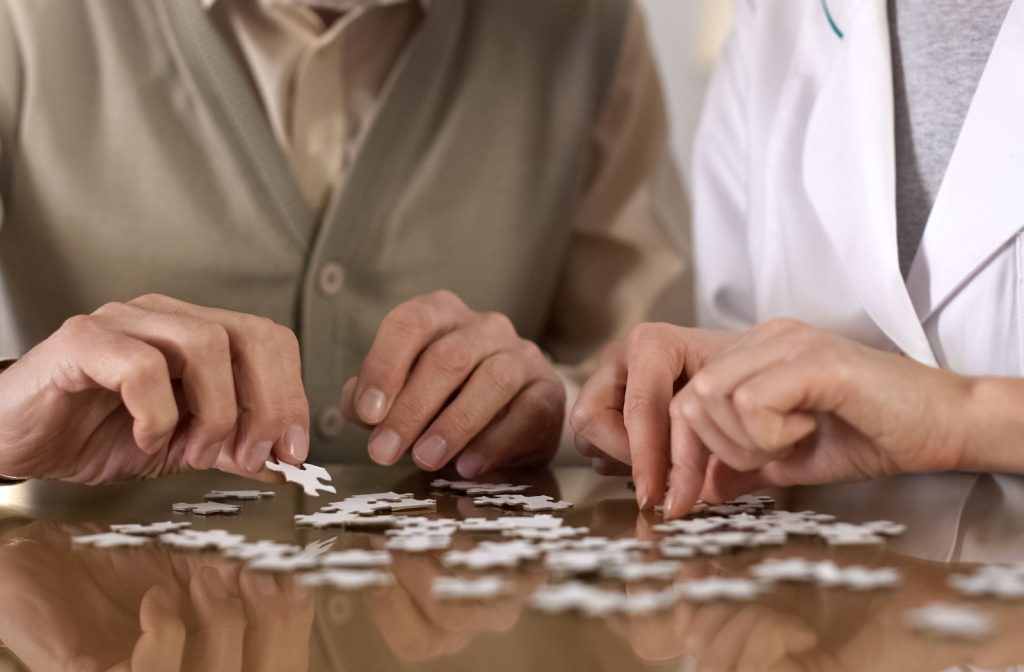
Puzzles also promote social interaction, fostering community through collaborative problem-solving experiences. Many families enjoy gathering for puzzle night, while clubs and community centers may host puzzle competitions or game nights. Such activities not only improve cognitive abilities but also strengthen familial and communal bonds, creating a shared sense of achievement and camaraderie.
As we continue to explore the interface between cognitive challenges and memory enhancement, important insights can be discovered about how to seamlessly incorporate puzzles into our daily routines. Whether it’s a brief Sudoku during a lunch break or a weekly family jigsaw session, engaging in these activities could transform cognitive capabilities in surprising ways. Are you ready to unlock the full potential of your mind through the joy of puzzles?
ADDITIONAL INSIGHTS: Expand your understanding here
The Science Behind Puzzling for Memory Enhancement
The intricate relationship between cognitive challenges and memory improvement has been the focus of various scientific studies, emphasizing the effectiveness of puzzles as tools for mental stimulation. Engaging in puzzle-solving activities promotes cognitive flexibility, which is the brain’s ability to switch between thinking about different concepts or to think about multiple concepts simultaneously. This mental adaptation is crucial for enhancing memory, as it trains the brain to manage information more effectively.
One of the most significant advantages of puzzles lies in their ability to activate the brain’s neuroplasticity—the process by which the brain forms new neural connections. Neuroplasticity is vital for memory improvement because it enables the brain to reorganize itself by forming new pathways when learning occurs. A study conducted by neuropsychologists highlighted that participants engaging in complex puzzles exhibited higher levels of cognitive resilience. In particular, around 20% of participants reported improved short-term memory abilities after only a few weeks of consistent puzzle-solving.
Moreover, puzzles can significantly enhance different types of memory. Here are some specific memory areas that benefit from engagement with puzzles:
- Semantic Memory: The ability to recall facts and knowledge, such as vocabulary words in a crossword puzzle, is improved through consistent challenge engagement.
- Working Memory: Jigsaw puzzles and Sudoku encourage the temporary storage and manipulation of information, strengthening the capacity to hold multiple pieces of information simultaneously.
- Visual Memory: Repeated exposure to visual patterns in puzzles helps enhance the ability to recall intricate designs and shapes relevant to various tasks.
The Nigerian landscape offers a vibrant platform for puzzle engagement through local adaptations of these cognitive tools. With an increase in online platforms dedicated to offering brain games, Nigerians are discovering an array of puzzle varieties such as logic riddles and traditional board games that provide cognitive benefits and entertainment all at once. The inclusion of cultural themes, such as puzzles highlighting Nigeria’s rich heritage or wildlife, makes the exercises not only intellectually engaging but also culturally relevant and enjoyable.
In addition to improving memory, puzzles lay the groundwork for enhanced critical thinking. As solvers navigate the challenges of complex puzzles, they hone their ability to assess situations from various angles, making decisions based on incomplete information. This skill becomes essential not just in academic contexts but also in navigating the complexities of daily life, including problem-solving in workplaces or family dynamics.
Ultimately, the integration of puzzles into one’s routine—whether during leisure time or as part of group gatherings—demonstrates an effective approach to brain health. By prioritizing phylogenetically beneficial cognitive activities, communities across Nigeria are redefining mental wellness, favoring brain endurance just as much as physical fitness. Engaging in puzzles represents an exciting avenue to memory improvement and overall cognitive enhancement.
| Category | Advantages |
|---|---|
| Improved Problem-Solving Skills | Engaging with puzzles challenges your brain, enhancing critical thinking and innovative reasoning capabilities. |
| Boosted Memory Retention | Regular puzzle-solving stimulates the brain, leading to improved memory, lowering the risk of cognitive decline. |
Engaging in cognitive challenges, such as solving puzzles, significantly impacts memory improvement. By focusing on logical structures and patterns, individuals sharpen their analytical skills. Not only do puzzles serve as a source of entertainment, but they also forge connections between various memory systems in the brain. Research indicates that participating in activities like crosswords or Sudoku can lead to measurable gains in memory retention, especially as people age. The mental exercise derived from these challenges creates new neural pathways, an aspect that is especially vital in staving off memory-related issues. Moreover, some studies suggest a correlation between regular puzzle engagement and delayed onset of dementia, presenting further reasons for the enrichment of one’s daily routine with such activities. The cumulative effects of this brain training empower individuals to harness their cognitive abilities effectively, feeding a virtuous cycle of improved memory and heightened problem-solving prowess.
SEE ALSO: Click here to read another article
The Social Dynamics of Puzzle Solving and Memory Growth
Engagement in puzzle-solving activities often transcends individual benefits, fostering communal connections that play a crucial role in cognitive enhancement. Social interaction is instrumental in boosting mental health and cognitive function, and it’s no coincidence that many people tackle puzzles in groups. Collaborative puzzle-solving not only enhances interpersonal relationships but also supports memory improvement through shared cognitive efforts.
Research indicates that when individuals participate in puzzle activities with others, they often verbalize their thought processes, sharing insights and strategies. This exchange of ideas can stimulate different cognitive pathways, further promoting memory enhancement. For instance, Nigerian families and friends often gather for traditional board games, where the thrill of competition enhances critical thinking and memory retention. The communal aspect offers emotional incentives, such as a shared sense of achievement, which are known to activate reward centers in the brain, solidifying memory pathways.
Additionally, the benefits of social puzzle-solving extend to different demographics. Elderly individuals, for example, can significantly gain from group puzzles. Engaging in challenging activities together serves as a preventative measure against cognitive decline. A study published in the Journal of Aging Research revealed that seniors who regularly participated in group puzzle solving demonstrated improved cognitive abilities compared to their solitary counterparts. In communities across Nigeria, initiatives promoting collective puzzle-solving workshops can enhance engagement while accountability boosts individual commitment to mental fitness.
Yet, the experience of puzzle-solving in Nigeria is often interwoven with cultural traditions. Activities such as Oware, a strategy game derived from ancient West African roots, not only encapsulate fun but are designed to engage players’ strategic thinking and memory retention. The movement around the game encourages memory recall, shapes interpersonal skills, and solidifies cultural identity through shared heritage. Such culturally significant puzzles enrich the experience of cognitive challenges and memory improvement.
Furthermore, the rise of digital platforms offers an exciting frontier in puzzle engagement. Many Nigerians are embracing technology in innovative ways, with apps and websites providing a wide range of puzzles tailored to different skill levels. This easy access to digital puzzles can cater to diverse audiences, from school children developing their cognitive abilities to adults seeking challenging pastimes to keep their minds sharp. Interactive puzzles often feature leaderboards and social media sharing options, introducing an element of competition that can stimulate further cognitive involvement.
Psychologists also emphasize the role of emotional connections formed through puzzle-solving. The feelings of satisfaction derived from completing a challenging puzzle can enhance dopamine release, a neurotransmitter linked to memory formation and motivation. Reflecting this, many Nigerian families are incorporating puzzles into festive gatherings, promoting a joyous atmosphere that contributes positively to memory health.
Across Nigeria, the juxtaposition of traditional and modern approaches to puzzles is reshaping the landscape of cognitive challenges and memory improvement. Amidst the hustle and bustle of contemporary life, the appreciation for puzzles—both culturally and socially—presents a remarkable avenue for nurturing memory and overall mental acuity.
RECOMMENDED: Check out this similar article
Conclusion: Embracing Puzzles for Enhanced Cognitive Function
In conclusion, the journey through the cognitive landscapes shaped by puzzles reveals a captivating intersection of individual growth and communal engagement. The impact of puzzles on memory improvement is not merely an anecdotal claim but is supported by various studies and real-life practices, particularly within Nigeria’s rich cultural fabric. By participating in both traditional games like Oware and modern digital puzzles, individuals tap into a dual approach that bolsters memory retention and cognitive flexibility.
The symbiotic relationship between social interaction and puzzle-solving cannot be overstated. Engaging collaboratively enhances not just memory but also cultivates strong interpersonal bonds—a vital aspect of thriving within any community. The emotional satisfaction derived from completing puzzles promotes dopamine release, stimulating mental acuity and motivating further engagement. Hence, family gatherings that incorporate puzzles serve as more than just entertainment; they become vital tools for collective cognitive enhancement.
As we navigate an increasingly digital world, the availability of online platforms broadens access to cognitive challenges, making them valuable for all ages. Whether it is the elderly benefiting from group activities or children sharpening their strategic skills through engaging games, puzzles stand as a remarkable means of fostering mental fitness. This ever-evolving landscape invites further exploration and understanding of how puzzles can shape cognitive functions for a lifetime.
Encouraging a culture of puzzle-solving in Nigeria and beyond, we unlock a plethora of opportunities for improved memory and connections in our daily lives. Let us embrace the cognitive challenges that puzzles present, knowing that each piece shapes a clearer path to enhanced cognition and community well-being.