Memory Strategies: The Role of Board Games in Cognitive Stimulation
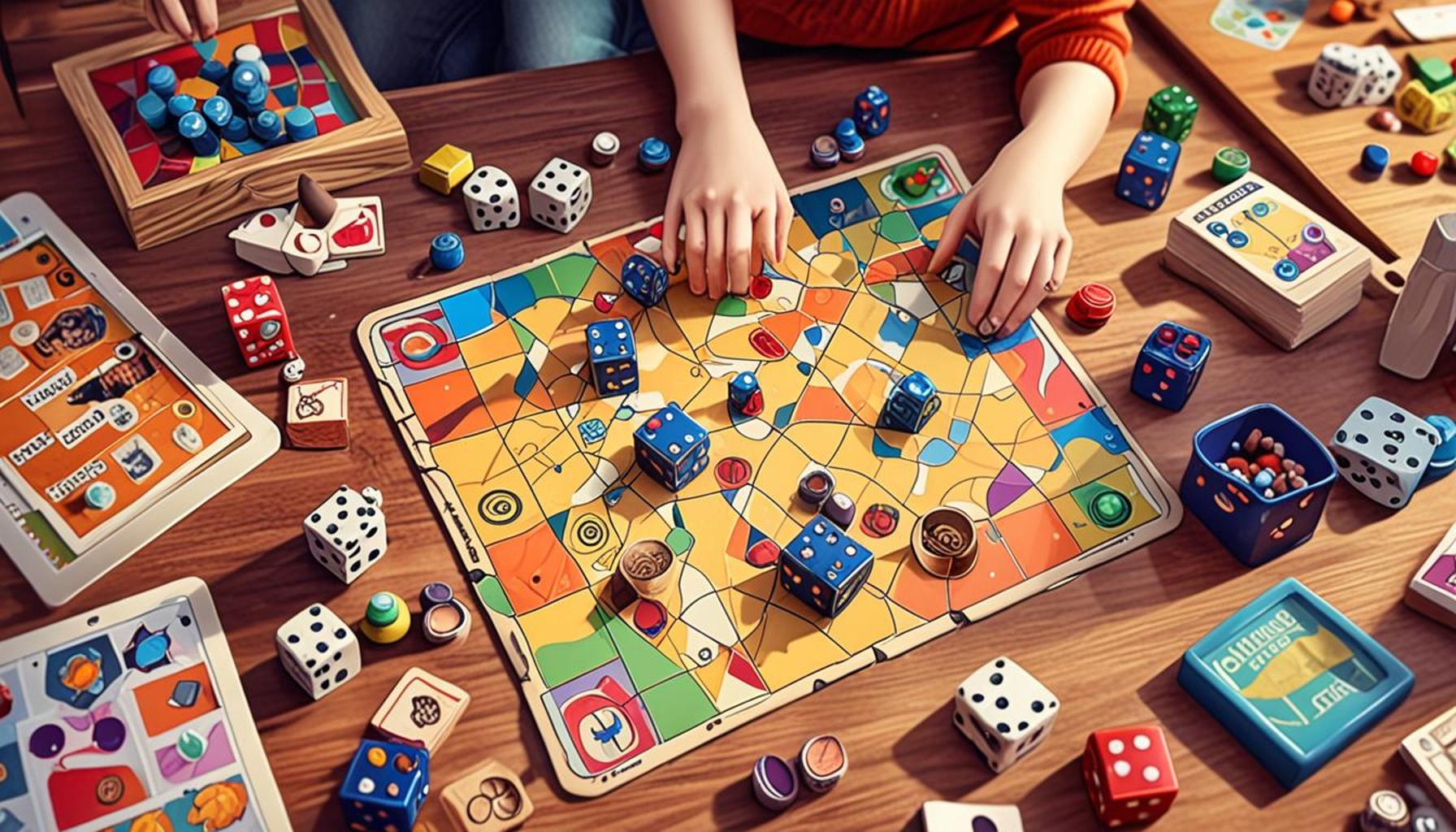
Unlocking Cognitive Potential
As the world evolves, so does our understanding of cognitive health. In recent years, there has been a growing focus on how everyday activities can enhance mental functions. Among these activities, board games are gaining recognition for their significant role in cognitive stimulation, especially within diverse cultures like Nigeria, where they often merge entertainment with educational value.
Why Board Games?
Board games are not just a source of entertainment; they offer numerous cognitive benefits. Here are some reasons why they are effective:
- Critical Thinking: Games like chess require players to strategize and anticipate their opponent’s moves. This kind of mental simulation fosters problem-solving skills and enhances decision-making abilities.
- Memory Enhancement: Games such as Scrabble improve vocabulary while engaging memory skills. Players often need to recall words and meanings, which creates mental agility and improves both short-term and long-term memory.
- Social Interaction: Playing with others promotes teamwork and communication skills. Engaging in board games often leads to discussions and collaboration, building more profound relationships and enhancing emotional intelligence.
Localized Benefits
In Nigeria, board games can serve as a bridge between generations, reflecting the rich tapestry of local culture. Traditional games like “Dame” or “Ludan,” which involves strategy and quick thinking, are not just for amusement but also enrich the players’ cognitive depth. These games create opportunities for:
- Intergenerational bonding: Sharing games fosters connections between young and old, creating common ground for discussion and shared experiences. This bond can serve as a foundation for mentoring and nurturing wisdom from elders.
- Cultural exchange: Introducing local games encourages cultural pride and awareness. By playing indigenous games, younger generations learn valuable lessons rooted in their heritage and traditions, reinforcing their identity.
- Community building: Participating in game nights strengthens neighborhood ties. Community events centered around board games promote inclusivity and engagement among diverse groups, strengthening the fabric of society.
By incorporating board games into our routine, we can simultaneously stimulate our brains, enhance memory, and foster a sense of community. The potential is endless, and the journey begins by exploring the fascinating world of board games. Through both enjoyment and education, these games can unlock pathways to improved cognitive functioning while celebrating the rich cultural heritage intrinsic to Nigerian society.
CHECK OUT: Click here to explore more

The Cognitive Impact of Board Games
Understanding the mechanics of memory strategies reveals the fascinating ways in which board games can enhance cognitive abilities. These games engage various mental processes, and their benefits can be categorized into several key areas that directly contribute to cognitive stimulation.
Engaging the Mind
Board games require players to think critically and strategically, igniting cognitive pathways that might remain dormant in everyday activities. The mental engagement afforded by games like “Ludu” or “Dame” is essential in today’s fast-paced world, where quick thinking and adaptability are prized. Here’s how they foster cognitive development:
- Enhanced Concentration: Players must focus on their moves and strategies while keeping an eye on their opponents. This heightened concentration helps improve attention span, which is crucial for tasks requiring sustained mental effort.
- Improved Problem-Solving Skills: Many board games present complex scenarios in which players have to devise solutions, teaching them to approach challenges from multiple angles. This skill translates well to real-world situations, where innovative solutions are often needed.
- Spatial Awareness: Board games can require players to think about space and distance, which sharpens their ability to navigate physical environments. Games involving maps or layouts, such as “Settlers of Catan,” are particularly effective in this regard.
Incorporating these games into everyday life can contribute significantly to maintaining cognitive health. Moreover, the excitement and competition found in board games can lead to an adrenaline rush that enhances brain activity, promoting the release of beneficial neurotransmitters.
Boosting Social Skills
Another facet of cognitive stimulation through board games is their inherent social component. When individuals gather around a table, they not only engage mentally with the game but also boost their social interaction skills. The engaging conversations and laughter shared during gameplay inherently improve communication abilities and forge deeper connections among players. This element of social bonding is particularly relevant in a culturally rich environment like Nigeria, where social interactions often revolve around collective activities.
Moreover, during gameplay, participants often have to negotiate, strategize together, and sometimes even mediate conflicts. This aspect of board games can lead to a better understanding of group dynamics and conflict resolution, essential skills in both personal and professional settings.
As we delve further into the myriad of benefits that board games offer, it becomes clear that they present more than just leisure activity. They represent a viable means of enhancing cognitive function through strategic play and social engagement, particularly within the Nigerian context, where community and cultural traditions thrive.
As we delve deeper into the concept of cognitive stimulation through board games, it’s essential to recognize the diverse strategies that enhance memory retention and cognitive skills. Board games offer a rich tapestry of challenges that engage players’ minds, stimulating various cognitive functions such as problem-solving, strategic thinking, and decision-making.
Research indicates that regular engagement with board games can significantly improve working memory and executive functioning, particularly in older adults. Games like chess, Scrabble, and even modern strategy games require players to plan several moves ahead, assess the competition, and anticipate various outcomes. Such mental exercises help forge new neural connections, ultimately enhancing mental agility.
Moreover, the social aspect of playing board games should not be overlooked. Interacting with others fosters communication skills and emotional intelligence, which are integral to overall cognitive health. Playing games in a group setting promotes not only teamwork but also camaraderie, which can have profound implications for mental well-being.
To further illustrate the profound impact of board games, we can observe how they serve as practical tools in therapeutic settings. Therapists often utilize board games to assist individuals with cognitive impairments, as they provide a low-pressure environment for practicing memory strategies. The tactile and visual components of physical games may elicit memories and stimulate cognitive processes more effectively than digital alternatives.
As we explore various titles within the realm of board games, it becomes clear that intentional selection based on cognitive objectives is key. Certain games are better suited for memory enhancement, while others excel in fostering critical thinking or creativity. This versatility allows for a tailored approach to cognitive training, making board games a compelling avenue for both personal enrichment and academia.
| Benefits of Board Games | Key Aspects of Cognitive Stimulation |
|---|---|
| Enhances problem-solving skills | Engages various cognitive functions |
| Improves social interaction | Fosters emotional intelligence |
In summary, the multifaceted benefits of board games extend beyond mere entertainment. They serve as powerful catalysts for cognitive development and interpersonal skills, creating an engaging platform for memory strategies that individuals of all ages can enjoy and benefit from. As we continue to investigate the relationship between play and cognition, it becomes increasingly clear that the role of board games in cognitive stimulation is both significant and rewarding.
CHECK OUT: Click here to explore more
Cultivating Critical Thinking and Emotional Intelligence
As we explore the spectrum of cognitive benefits derived from board games, an essential component emerges: the cultivation of critical thinking skills and emotional intelligence. Board games are not merely about winning; they are platforms that encourage players to analyze, reflect, and adapt their strategies in response to dynamic gameplay and fellow participants’ actions. This intricate interplay promotes deeper thinking and insights valuable beyond the game board.
Fostering Analytical Skills
Many board games require players to make quick decisions based on limited information, necessitating strong analytical thinking. Take, for instance, strategic games like “Chess” or “Risk.” These games compel players to dissect their opponents’ potential moves while predicting outcomes based on various factors. Such a mental exercise sharpens the ability to evaluate a situation effectively, leading to enhanced critical thinking skills.
- Data Evaluation: Players often must assess probabilities and risks while determining their next moves, developing skills to analyze data effectively. This is particularly relevant in today’s data-driven world where the ability to interpret information critically is indispensable.
- Future Planning: The necessity to plan several moves ahead cultivates foresight and strategic planning abilities. This foresight has implications in everyday decisions, enabling individuals to make more informed choices.
These analytical skills are vital not only in personal and academic contexts but also hold significant weight in the professional landscape. In Nigeria’s growing economy, where adaptation and strategic thinking are increasingly demanded, the ability to analyze and plan can lead to career advancements and effective problem-solving within teams.
Nurturing Emotional Intelligence
In addition to honing analytical skills, board games also provide an excellent framework for enhancing emotional intelligence (EI). During play, participants encounter situations that invoke a range of emotions, from excitement and anxiety to frustration and joy. Navigating these emotional experiences fosters self-awareness and empathy—two critical components of emotional intelligence.
- Empathy Development: Engaging in board games requires an understanding of opponents’ perspectives and feelings, which encourages players to be attuned to others’ needs. This sensitivity can strengthen interpersonal relationships, an essential trait within the communal context of Nigerian culture.
- Group Cohesion: Successful board game play inevitably relies on teamwork, especially in cooperative games where players must work towards a shared goal. This collaboration enhances group cohesion and serves as a reminder of the importance of collective effort over individual success.
Furthermore, as players experience wins and losses, they learn to manage their emotions and develop resilience. The lessons learned at the game table translate into real-life scenarios, helping individuals navigate various social situations and emotional challenges effectively.
Consequently, the integration of board games into leisure time holds promise for fostering skills critical not just to individual enhancement but also to community development. In a landscape where cultural connectivity is vital, board games serve as bridges that link individuals, sharpening cognitive skills while fostering emotional bonds that enrich the collective experience.
RECOMMENDED: Check out this similar article
Conclusion: The Transformative Power of Board Games
In essence, the exploration of memory strategies through the lens of board games unveils a multifaceted approach to cognitive stimulation. These timeless pastimes not only entertain but also serve as dynamic tools for enhancing analytical skills, fostering critical thinking, and building emotional intelligence. The skills developed at the game table—ranging from strategic planning to empathetic engagement—are invaluable in today’s fast-paced world.
As highlighted, board games offer a rich environment where players learn to navigate challenges, making decisions under pressure while developing resilience and adaptability. In the unique cultural context of Nigeria, where community bonds are essential, the cooperative nature of many board games cultivates not just individual advantages but strengthens interpersonal relationships. This collective engagement is crucial for fostering a society that values collaboration and mutual support.
Furthermore, with the rise of digital distractions, bringing back traditional board games can enrich familial and social interactions, creating lasting memories while stimulating cognitive growth. For educators and psychologists alike, recognizing the impact of these games can lead to innovative strategies for developing important life skills among individuals of all ages.
In conclusion, the role of board games as a memory strategy is not merely confined to the act of play; it spans implications for personal development, community connectivity, and professional growth. Encouraging the use of board games can lead to a more interconnected society, ultimately enhancing cognitive abilities and enriching lives. As you consider integrating these engaging elements into your routine, remember that each game played is not just a chance to win but an opportunity for significant cognitive and emotional growth.