The Importance of Critical Thinking in Logic Games and Puzzles

Understanding the Importance of Logic Games
Engaging with logic games and puzzles not only provides entertainment but also fosters valuable life skills that are essential in everyday situations. In Nigeria, where cultural and educational environments emphasize both learning and leisure, playing logic puzzles can form a meaningful bridge connecting these aspects.
Problem-Solving Skills
The landscape of our world is filled with challenges that require effective solutions. Problem-solving is at the heart of logic games; players learn how to identify issues and navigate through various potential resolutions systematically. For instance, games like chess or Sudoku require strategic thinking and the ability to foresee the consequences of one’s actions. In Nigeria, children often engage with such games during family gatherings or in after-school clubs, not just as a pastime but as a way to sharpen their cognitive abilities.
Enhancing Analytical Skills
Participating in logic puzzles cultivates analytical skills crucial for decision-making processes. By examining the components of a puzzle, players become adept at making informed choices based on available data. For example, those who play riddles often find themselves using deduction to arrive at answers, which mirrors real-life situations such as resolving conflicts or making financial decisions. This practice has a ripple effect, benefiting children and adults alike, reinforcing a culture of critical analysis that is increasingly important in Nigeria’s competitive job market.
Promoting Creativity
Another noteworthy aspect of engaging with logic games is the promotion of creativity. Many puzzles encourage players to think outside the box and develop innovative solutions to common problems. These creative processes can extend beyond games into academic pursuits and everyday life. In Nigeria, where diverse perspectives flourish due to the country’s rich cultural tapestry, such thought processes can lead to revolutionary ideas in entrepreneurship and technological advancements.
Beyond Entertainment: A Tool for Development
Ultimately, logic puzzles are not merely about fun; they serve as a vital tool for personal development. As the global landscape evolves, the ability to think critically becomes increasingly paramount, especially for young minds preparing to step into a world teeming with possibilities. These skills play a crucial role in Nigeria’s education system, which is geared towards cultivating a generation of innovative problem solvers.
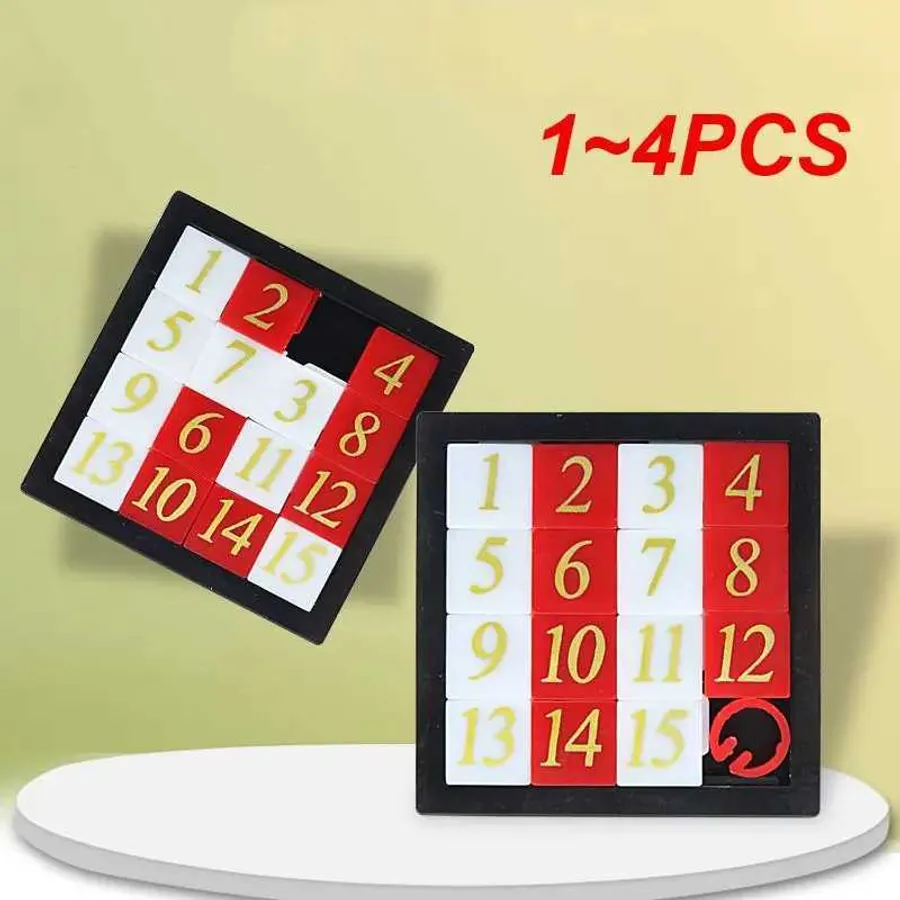
As you delve deeper into the realm of logic games, you’ll uncover the profound impact they can have on enhancing critical thinking. From traditional board games to modern mobile applications, each format offers unique benefits. So take the plunge into these fascinating cognitive challenges and watch your intellectual prowess flourish.
SEE ALSO: Click here to read another article
Critical Thinking: The Bedrock of Logic Games
At the core of every logic game is the indispensable skill of critical thinking. This mental process involves analyzing situations, evaluating options, and drawing conclusions based on evidence, which is vital across the spectrum of daily decision-making. In Nigeria, where innovation and resourcefulness are key to overcoming social and economic challenges, fostering critical thinking through logic puzzles is paramount.
Encouraging Logical Reasoning
Logic games inherently encourage logical reasoning, guiding players to make connections between seemingly unrelated dots. When faced with a complex Sudoku puzzle, for instance, players must deploy their reasoning abilities to discern which numbers fit where, based on established rules. This practice mirrors real-world challenges where one must assess available information to derive sound conclusions. In Nigeria, educational institutions increasingly recognize the need to incorporate logic games in classrooms, enhancing students’ capacity to think critically—from primary school through to university.
Boosting Confidence in Decision Making
Engagement with logic puzzles not only hones critical thinking but also significantly boosts an individual’s confidence in decision-making. By regularly tackling challenging scenarios, players learn to trust their judgement and analyze outcomes effectively. This newfound confidence translates into everyday life, where individuals face myriad choices ranging from academic paths to career decisions. In a society where many young Nigerians aspire to become entrepreneurs, the ability to make informed decisions is essential for navigating the competitive landscape of business.
Integration of Critical Thinking and Technology
The rise of technology has transformed the way logic games are played and accessed, providing innovative tools that enhance critical thinking skills. With mobile applications and online platforms offering a plethora of puzzles, players can engage with logic games anytime and anywhere. This accessibility creates new opportunities for individuals, particularly in Nigeria’s urban areas, where internet penetration continues to grow. Players can now connect with communities sharing similar interests, receiving valuable feedback on their critical thinking processes.
The Ripple Effect: Education, Work, and Beyond
Moreover, incorporating logic games into various settings can create a ripple effect on a larger scale. Schools can foster collaborative problem-solving sessions through group puzzles, encouraging teamwork alongside critical thinking. In the workplace, employers value individuals who exhibit strong problem-solving skills. Many employers in Nigeria are actively seeking potential hires who possess these abilities, understanding that employees adept in critical thinking contribute to fostering a dynamic and innovative work environment.
In this light, it becomes evident that the value of critical thinking extends far beyond personal enjoyment in logic games. It cultivates vital skills that prepare individuals to face challenges head-on, shaping a brighter future for themselves and their communities. As interest in logic games expands, so too does the potential for advancing critical thinking capabilities that benefit society at large.
The Importance of Critical Thinking in Logic Games and Puzzles
Critical thinking plays a significant role in enhancing cognitive skills through logic games and puzzles. Engaging in these activities sharpens reasoning abilities and boosts problem-solving skills, which are essential in today’s fast-paced world. When players immerse themselves in logical challenges, they are prompted to assess information, recognize patterns, and evaluate various outcomes. This process is not merely recreational; it fosters a profound understanding of decision-making processes.
Furthermore, logic games offer a tangible breakthrough in educational settings. Students who engage with these puzzles develop a keen sense of analysis and creativity, skills that are invaluable not only in academics but also in real-world situations. These activities encourage a methodical approach to reasoning, where every move and decision must be carefully considered and evaluated.
In addition to enhancing educational achievements, critical thinking nurtured through logic puzzles can yield remarkable benefits in professional environments. Employers often seek individuals capable of navigating complex situations, making informed decisions, and thinking independently. Through regular practice of logic games, one can strengthen their capacity for innovation and strategic thinking.
| Advantages | Description |
|---|---|
| Enhanced Problem-Solving Skills | Players learn to tackle complex problems efficiently, improving their analytical thinking. |
| Increased Creativity | Logic games encourage out-of-the-box thinking and innovative approaches to challenges. |
These elements make critical thinking in logic games a pivotal aspect of personal development and success. Deep engagement with puzzles allows individuals to approach challenges with confidence and strategic understanding. As you dive deeper into the world of logic games, you’ll uncover not only the joy of solving but also the vast cognitive benefits that extend far beyond the gaming table.
SEE ALSO: Click here to read another article
Critical Thinking: A Catalyst for Lifelong Learners
As the world becomes increasingly complex, the capacity for critical thinking is not just advantageous; it is essential. Logic games offer a unique avenue for individuals to engage with cognitive challenges that stimulate both the mind and creativity. In Nigeria, these puzzles can play a profound role in developing a generation of lifelong learners who are equipped to tackle evolving socio-economic issues.
Developing Analytical Skills
The essence of logic games lies in their ability to sharpen analytical skills. Consider the increasingly popular logic grid puzzles that challenge players to deduce relationships among different variables. Individuals are prompted to analyze data points methodically, which cultivates a mindset geared towards solving complex problems. For instance, a puzzle may involve deducing the seating arrangement of guests at a traditional Nigerian wedding. The player must sort through multiple variables (relationships among guests, preferences, and cultural norms) to arrive at a solution. Such exercises refine analytical thinking and create a robust framework for tackling real-world problems.
Stimulating Creativity and Innovation
Moreover, critical thinking in logic games fosters creativity and innovation. As individuals engage with puzzles that require outside-the-box thinking, they are often pushed beyond conventional problem-solving methods. This aspect is particularly important in Nigeria’s burgeoning tech scene, where individuals are called to devise solutions in fields like fintech, agritech, and edtech. By grappling with intricate challenges posed by logic games, young minds can nurture unique approaches that could revolutionize industries. For example, a youth who masters programming with a logic game mindset might create a mobile application to help farmers optimize crop yield through data analysis.
Enhancing Emotional Intelligence
Notably, critical thinking is intertwined with enhancing emotional intelligence—an invaluable skill in both personal and professional life. Logic games often require players to work with others, whether in a cooperative setting or a competitive environment. This collaboration fosters communication, empathy, and the ability to read social cues. In a multicultural society like Nigeria, where various ethnicities and perspectives converge, the ability to understand and collaborate with diverse groups is crucial. Engaging in logic puzzles and games cultivates a blend of critical thinking and emotional intelligence and prepares individuals to handle tensions and negotiate effectively in their communities.
Making Learning Fun and Engaging
Finally, a significant advantage of logic games is their capacity to make learning fun and engaging. Utilizing gamification in educational settings transforms traditional learning methodologies. For example, incorporating puzzles in subjects like mathematics and science can not only increase student engagement but also enhance retention of complex concepts. Educators in Nigeria are increasingly realizing this potential, as they see students more eager to embrace subjects that may have previously felt daunting. As students engage in logic games, they are not merely playing; they are developing crucial critical thinking skills that will have a lasting impact on their academic careers.
In essence, the multifaceted nature of critical thinking fostered through logic games and puzzles is pivotal for equipping individuals in Nigeria with the tools necessary for both personal development and societal progress. As the demand for innovative thinkers grows across various sectors, the role of logic games in nurturing these skills becomes more significant than ever.
CHECK OUT: Click here to explore more
Conclusion: Unlocking the Future with Critical Thinking
In conclusion, the intersection of critical thinking and logic games is not merely a fun diversion; it is a powerful tool in shaping the minds of individuals, particularly in Nigeria’s dynamic landscape. As a nation aspiring to forge ahead in various sectors—from technology to education—the cultivation of critical thinking skills through engaging and challenging puzzles is vital. Logic games provide a platform for players to sharpen their analytical abilities, enhance their creativity, and develop essential emotional intelligence. These competencies are not only relevant for personal growth, but they also foster collective progress in society.
The infusion of logic games into educational frameworks and community initiatives further amplifies their importance. By transforming traditional learning into engaging experiences, students become motivated to tackle rigorous subjects and develop a resilient problem-solving mindset. Moreover, as participants navigate the intricacies of logic puzzles, they learn to collaborate and communicate effectively across diverse groups—an asset in Nigeria’s multicultural context.
As we continue to face an ever-evolving world, the ability to think critically will be a determinant of success. Logic games serve as a foundation for honing these skills, empowering individuals not just to dream, but to innovate and implement solutions for a better future. Embracing critical thinking through logic games and puzzles could very well be a pivotal step towards fostering a generation adept at navigating the complexities of modern life.