The Importance of Positive Affirmations in Reducing Daily Stress

The Importance of Positive Affirmations in Stress Management
In a world that rarely slows down, the prevalence of chronic stress is escalating, affecting many individuals across various demographics. Chronic stress can lead to serious health problems, including anxiety disorders, depression, and a weakened immune system. As a result, people are increasingly exploring methods to cope with their stressors effectively. Among these methods, the practice of positive affirmations has gained considerable traction, becoming a beacon of hope for many seeking relief.
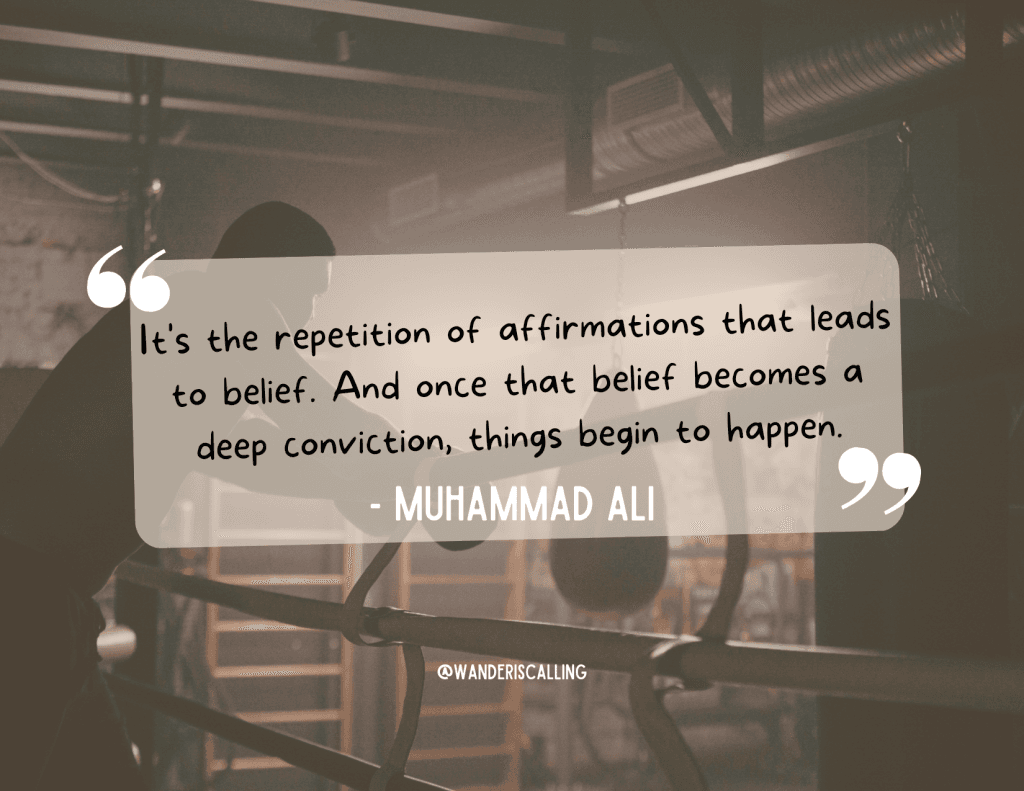
So, what exactly are positive affirmations? These are simple yet impactful statements that individuals repeat to themselves, designed to challenge and change self-sabotaging thoughts. By consciously integrating positive affirmations into daily life, individuals can cultivate a more affirmative and optimistic mindset. This practice serves as a mental shield, helping individuals not only to maintain resilience in tough situations but also to rewire their thought processes.
Benefits of Positive Affirmations
- Boosting self-esteem: Regularly repeating affirmations can significantly enhance self-confidence and self-worth. For example, saying “I am capable of overcoming challenges” daily can transform how individuals approach their tasks, resulting in a more empowered outlook on life.
- Reducing anxiety: Evidence suggests that positive affirmations can help mitigate feelings of anxiousness, fostering a state of calm. Many practitioners report that reciting affirmations like “I am calm and in control” can serve as a grounding technique during stressful scenarios such as public speaking or high-stakes work projects.
- Improving focus: Positive affirmations can guide individuals to concentrate on their goals and intentions rather than becoming overwhelmed by stressors. For instance, a student might mutter “I am prepared and will succeed in my exam,” which can redirect their energy toward positive outcomes rather than fear.
Scientific studies have started to shed light on the tangible effects of positive affirmations. Research indicates that integrating these affirmations into daily routines can substantially lower stress levels. Participants who engaged in this practice often reported feeling more in control and optimistic about their circumstances, even amidst life’s inherent unpredictability.
Furthermore, the accessibility of this practice makes it appealing. Unlike many stress management techniques that may require extensive training or resources, positive affirmations can be utilized by anyone, at any time, without the need for special equipment or a vast amount of time. Individuals can easily integrate affirmations into their routines—whether it’s in the morning while brushing teeth or during a moment of quiet reflection.
Understanding the importance of positive affirmations could very well be the key to unlocking effective stress management strategies that resonate with today’s fast-paced society. As more people recognize the positive impact of these affirmations, it remains vital to explore how they can fit seamlessly into daily life, enabling individuals to harness their full potential while combating the stresses that life inevitably presents.
DISCOVER MORE: Click here to learn how positive affirmations can change your life
Understanding Positive Affirmations and Their Role in Stress Reduction
Positive affirmations serve as more than mere phrases; they are transformative tools that hold the potential to alter an individual’s emotional landscape. In essence, these affirmations challenge the detrimental beliefs that many of us internalize over time. When faced with daily challenges, it is easy to become ensnared in a web of negative self-talk, which can exacerbate stress levels. However, by utilizing specific positive affirmations, individuals can effectively counteract these tendencies.
Moreover, the science behind positive affirmations reveals their capacity to engage the brain in meaningful ways. When individuals repeat affirmations, they stimulate the brain’s reward centers, encouraging the release of feel-good hormones such as serotonin and dopamine. A study from the University of California, Los Angeles (UCLA) highlighted that affirmations activate the prefrontal cortex, an area responsible for self-control and decision-making, leading to a clear mind even during stressful times. This neurological reinforcement underscores the simplicity and efficacy of a routine centered around positive affirmations.
How to Incorporate Positive Affirmations into Your Daily Life
Integrating positive affirmations into a daily routine doesn’t necessitate a significant time investment. Here are some practical ways to make affirmations a habitual part of life:
- Morning Rituals: Instead of starting the day with social media or news, set aside a few minutes each morning to recite affirmations. A simple statement such as “I am capable of achieving my goals” can set a positive tone for the day ahead.
- Mindfulness Practices: When engaging in mindfulness exercises such as meditation or yoga, weave affirmations into these practices. For instance, while meditating, one might focus on the affirmation “I embrace peace and calmness,” allowing for a deeper sense of relaxation.
- Visual Reminders: Create visual cues in your environment. Writing affirmations on sticky notes and placing them on mirrors or workspace surfaces can provide constant reminders that help reinforce the practice throughout the day.
- End-of-Day Reflection: Consider concluding each day with affirmations that celebrate personal achievements or instill hope for the future. Ending with “I am proud of what I accomplished today” reinforces positive feelings and promotes restful sleep.
By identifying personal affirmations that resonate deeply and committing to their daily use, individuals can cultivate a mindset that embraces positivity. Not only does this shift in perspective diminish daily stressors, but it also encourages resilience and promotes a sense of well-being. As positive affirmations become ingrained in one’s daily life, the challenging waves of stress may transform into manageable ripples, leading to a healthier, more balanced lifestyle.
| Category | Details |
|---|---|
| Enhancing Mental Clarity | Positive affirmations can boost clarity and focus, allowing individuals to approach challenges with a calm and composed mindset. |
| Promotes Resilience | Affirmative statements encourage individuals to build emotional resilience, making it easier to bounce back from stressful situations. |
| Increased Self-Esteem | Empowering one’s self-image through affirmations can lead to improved self-esteem, which is crucial for managing stress effectively. |
| Stress Reduction Techniques | Incorporating affirmations as a daily practice can significantly lower cortisol levels, thus reducing stress. |
The transformative role of positive affirmations in mitigating daily stress is supported by numerous studies. Research indicates that consistently practicing affirmations not only enhances mood but also fosters a sense of control over one’s life. In addition, incorporating positive language into daily routines can reshape thought patterns and encourage a proactive approach to stressors. One interesting aspect is that verbalizing positive statements can trigger the brain’s reward system, releasing dopamine, which promotes a feeling of happiness. Therefore, employing affirmations could serve as a powerful tool for those struggling with stress, further emphasizing their crucial role in personal development and emotional well-being. Moreover, maintaining a positive outlook through affirmations can also enhance physical health by promoting relaxation, lowering blood pressure, and even supporting better sleep quality. These benefits illustrate a multi-faceted approach to stress management that many can leverage for a healthier lifestyle. By understanding the importance of positive affirmations, individuals can discover pathways to inner peace and resilience in their daily lives.
DISCOVER MORE: Click here for insights
The Impact of Positive Affirmations on Mental Health
Positive affirmations can be particularly impactful for mental health, and their utilization in therapy settings is becoming increasingly recognized. Research has shown that regular practice of positive affirmations can lead to a significant reduction in overall levels of stress and anxiety. For example, a 2016 study published in the journal Psychological Science indicated that participants who engaged with affirmations experienced improved mental resilience during stressful events, allowing them to approach challenges with greater confidence and a clearer mindset.
Moreover, positive affirmations can catalyze significant changes in self-perception. They encourage individuals to reframe their self-image, which can drastically alter how they react to stress. When people affirm their worth, they are essentially rewriting the negative narratives that may have taken root over the years. A profound affirmation such as “I am deserving of happiness and success” can dismantle the false beliefs that often fuel feelings of inadequacy and stress.
Enhancing Performance through Positive Self-Talk
In high-pressure environments, such as workplaces or academic settings, the ability to manage stress efficiently can mean the difference between success and failure. Studies have shown that athletes and professionals alike use affirmations to enhance their performance under pressure. This practice is not simply about boosting morale; it is about harnessing the power of the mind to help navigate stressful situations. For instance, sports psychologists recommend affirmations like “I perform well under pressure” to help athletes maintain focus and composure during competitions.
Furthermore, the corporate culture in the United States is starting to recognize the role of positive affirmations in enhancing employee well-being. Many organizations are adopting wellness programs that integrate affirmations into their daily routines, acknowledging that a less stressed workforce leads to improved productivity and job satisfaction. This trend exemplifies a growing understanding of the psychological components of stress and its direct correlation with workplace efficiency.
Building Long-Term Resilience Through Consistency
The key to harnessing the full benefits of positive affirmations lies in their consistent application. Just as physical exercise builds strength, the regular repetition of affirmations fosters mental resilience over time. Experts suggest that individuals personalize their affirmations, scripting statements that resonate with their unique experiences and aspirations. This approach not only enhances engagement but also makes the affirmations more relatable, increasing their effectiveness.
For example, someone coping with job-related stress might adopt affirmations like, “I am confident in my abilities to overcome challenges,” or “Every hurdle is an opportunity for growth.” These targeted statements work by centering the mind on positive outcomes rather than allowing space for doubt and fear to infiltrate a person’s thoughts.
While individual experiences may vary, the collective evidence around the efficacy of positive affirmations in reducing daily stress is compelling. As more individuals discover this simple yet powerful mental strategy, the potential for a more balanced and less stressful life becomes increasingly attainable. By promoting a culture of affirmative self-talk, we can pave the way towards better stress management and, ultimately, an improved quality of life.
DISCOVER MORE: Click here to unveil the power of positive affirmations
Conclusion
In today’s fast-paced world, stress management has become a crucial necessity for maintaining mental health and overall well-being. The practice of using positive affirmations emerges as an effective strategy, transforming negative thought patterns into empowering beliefs. By consistently repeating phrases that affirm our strengths and potential, we foster a resilient mindset capable of tackling daily challenges.
Research discussed throughout this article underscores the profound impact of affirmations on reducing anxiety and enhancing mental clarity. Individuals who adopt this practice report not only improved coping mechanisms during stressful situations but also a healthier self-image that dismantles detrimental narratives of inadequacy. These transformative outcomes provide compelling evidence for integrating positive affirmations into various aspects of daily life, from personal development to workplace environments.
As organizations increasingly recognize the benefits of a less stressed workforce, incorporating positive affirmations into wellness programs can lead to enhanced productivity and job satisfaction. This cultural shift promotes a holistic approach to mental wellness, demonstrating that when we empower ourselves with positivity, the ripple effects extend beyond individual benefits to the collective well-being of communities.
In conclusion, adopting positive affirmations as a daily practice is not merely a self-help technique; it is a powerful tool for resilience and stress reduction. Embracing this strategy can illuminate a path toward a more fulfilling and balanced life. As we nurture a culture of affirmative self-talk, we can pave the way for sustained mental health and a brighter outlook on life.