The Role of Positive Self-Talk in the Education and Learning of Children
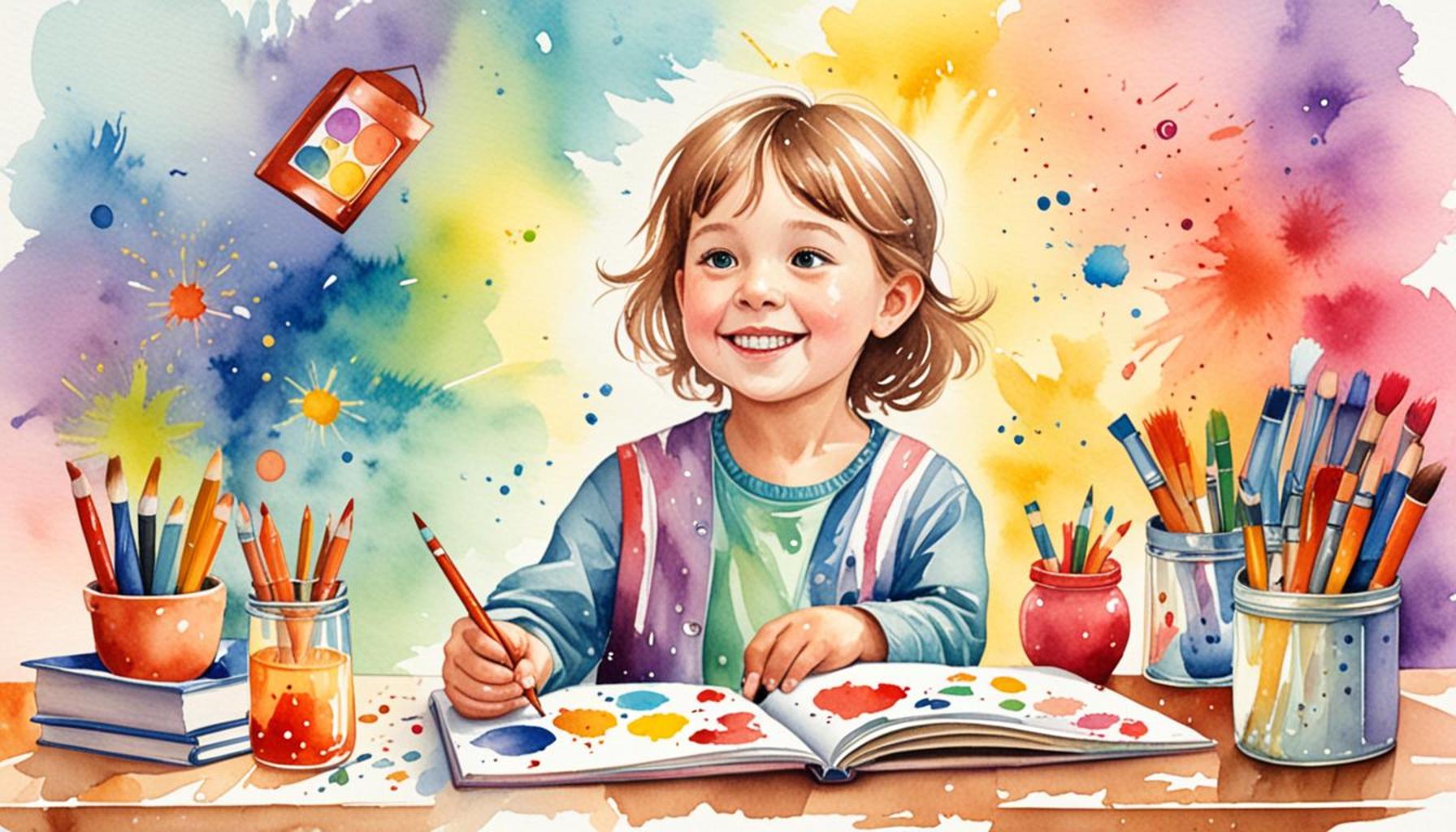
The Power of Positive Self-Talk in Childhood Education
In the dynamic realm of education, the concept of positive self-talk has garnered increasing attention as educators and parents alike recognize its essential role in shaping children’s learning experiences. The internal dialogue that children foster is not merely a motivational tool; it fundamentally influences their resilience, self-perception, and overall academic success.
To truly appreciate the significance of self-communication, it is essential to delve into several critical aspects:
- Confidence Building: Frequent engagement in positive affirmations can significantly enhance children’s self-esteem. For instance, children who regularly affirm their abilities—by stating “I can solve this math problem” or “I am good at writing”—tend to face challenges with greater poise, complementing their academic performance.
- Resilience: Encouraging constructive self-talk is equipping children to effectively confront and navigate difficulties. For example, a child who faces a setback in a school project may adopt the perspective of “I can learn from this mistake” rather than dwelling on failure, fostering a growth mindset.
- Improved Performance: Establishing a positive mental framework can enhance focus and learning outcomes. Studies suggest that children who practice positive self-dialogue show increased concentration levels and better retention of information during tests and class discussions, translating into higher grades.
Evidence from research corroborates that children who engage earnestly in affirmative self-dialogue are more inclined to:
- Embrace challenging tasks, viewing them as opportunities for growth rather than threats to ability.
- Maintain high levels of motivation to learn and explore new subjects, which can lead them to engage in extracurricular activities that expand their horizons.
- Experience diminished anxiety during tests and presentations, as they are more likely to adopt a mindset focused on personal progress rather than external judgment.
As educators and parents aim to create nurturing learning environments, understanding the transformative power of self-talk is paramount. Simple strategies such as modeling positive self-talk, encouraging children to verbalize their thoughts, and providing them with constructive feedback can drastically shape their internal narrative.
By embracing and nurturing these powerful internal conversations, we stand to cultivate a generation of learners who are not only confident and resilient but also prepared to tackle the complexities of an ever-evolving world. Through fostering this practice, we can inspire children to navigate their educational journeys with optimism and determination.
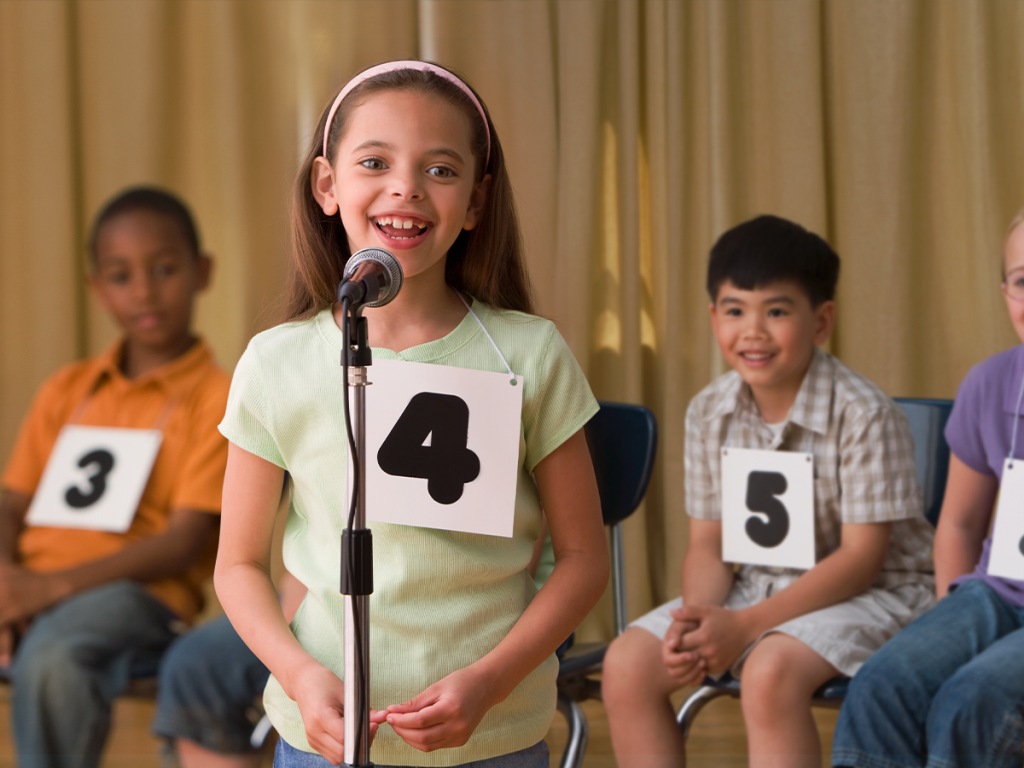
DISCOVER MORE: Click here to unlock the power of positive affirmations
Harnessing the Benefits of Positive Self-Talk in Children
In the realm of childhood education, positive self-talk serves as a foundation for not only fostering academic achievement but also nurturing social and emotional well-being. Children who engage in affirming self-dialogue can unlock their potential and develop essential life skills that extend far beyond the classroom. To fully grasp the impact that self-talk has on learning, consider how it operates in various educational contexts.
The Classroom Environment
In a typical classroom setting, students encounter challenges that can stimulate anxiety and self-doubt. Here, positive self-talk becomes a vital tool that can alleviate these pressures. For example, children who remind themselves, “I can understand this lesson” or “I’m making progress every day” tend to approach subjects—be it math, reading, or science—with a sense of curiosity and purpose. This internal encouragement can result in higher participation rates and willingness to ask questions when they don’t understand a concept, thereby enhancing their overall learning experience.
Peer Interactions and Social Skills
Furthermore, the role of positive self-talk extends into social dynamics among peers. Children often face peer pressure or social scrutiny, which can lead to feelings of inadequacy. By encouraging phrases such as, “I am a good friend” or “I deserve to be included,” children can bolster their confidence in social scenarios. This not only enhances their ability to form friendships but also equips them to navigate conflicts and misunderstandings more effectively. To summarize the benefits of positive self-talk in social interactions, consider these key points:
- Enhanced social confidence: Children who indulge in positive self-talk are more likely to engage with others, leading to healthier relationships and improved social skills.
- Conflict resolution: A positive internal dialogue encourages children to view disagreements as opportunities for growth, rather than sources of anxiety.
- Greater empathy: Self-affirmation can lead children to express understanding and kindness, fostering a supportive environment for their peers.
Long-Term Academic Motivation
Adopting a routine of positive self-talk also plays a crucial role in cultivating long-term academic motivation. As children learn to frame their thoughts positively, they begin to associate learning with enjoyment and satisfaction, rather than pressure and fear. This mental shift enables a more sustainable approach to education, where challenges are viewed as stepping stones. Research consistently supports the notion that students who practice self-encouragement report higher satisfaction in their academic pursuits, paving the way for lifelong learning.
By recognizing the profound implications of positive self-talk in both classroom performance and social interactions, educators and caregivers can embrace its power as a cornerstone of effective teaching and learning. Through conscious efforts to weave positive affirmations into daily discussions, it becomes feasible to cultivate a resilient, motivated, and capable generation of learners. As we delve deeper into the importance of positive self-talk, it becomes increasingly evident that fostering these internal narratives is essential for the holistic development of children in today’s challenging educational landscape.
The Importance of Positive Self-Talk in Educational Settings
Understanding the significance of context in which children practice positive self-talk is essential. Within educational settings, children frequently face challenges, from academic pressures to social dynamics. Thus, implementing techniques that foster self-affirmation and positive mental framing can dramatically influence their learning outcomes. Studies indicate that children who engage in positive self-talk demonstrate heightened resilience and an enhanced ability to cope with stress. When faced with a daunting math problem, for instance, a child who thinks, “I am capable of figuring this out” is more likely to approach the task with confidence compared to one who recites, “I can’t do this.” This simple shift in mindset can not only improve their performance but also instill a growth-oriented perspective essential for lifelong learning.Moreover, integrating positive self-talk practices into the classroom can support educators in creating a more conducive learning environment. Teachers often encourage students to verbalize their thought processes by using affirmations, which not only promotes self-efficacy but also builds a supportive classroom community. Activities such as group discussions can motivate children to articulate their feelings and thoughts, reinforcing the benefits of positive dialogue within a peer-support framework.
Reinforcement through Parental Involvement
Parental involvement plays a pivotal role in enhancing the impact of positive self-talk on children’s education. Parents can encourage their children to practice positive affirmations at home, making it a family activity. This reinforcement fosters an understanding that self-belief is not just a school-based skill but a vital life lesson. The synergy between home and school reinforces the value of self-talk as a tool for overcoming academic and personal challenges, ultimately contributing to the child’s overall development.Incorporating these facets of positive self-talk into both educational and home environments helps create resilient, confident learners who are not only prepared to tackle immediate challenges but are equipped with the mental tools to navigate future obstacles.
DISCOVER MORE: Click here to learn about the power of daily affirmations
The Impact of Positive Self-Talk on Emotional Resilience
Another significant aspect of positive self-talk is its contribution to building emotional resilience in children. Resilience, the ability to bounce back from setbacks, is crucial in a world where challenges are inevitable. When children regularly engage in positive self-talk, they develop an internal support system that allows them to cope with adversity more effectively. For instance, a child who encounters a disappointing grade may use encouraging phrases such as, “This is just a learning opportunity” or “I can improve with practice.” Such self-affirmations help to reframe failure as a stepping stone, motivating them to seek help and try again rather than succumbing to feelings of hopelessness.
Self-Esteem and Identity Formation
Moreover, positive self-talk plays a pivotal role in shaping a child’s self-esteem and identity. In a society that often emphasizes external validation, cultivating a robust sense of self through internal dialogue becomes increasingly essential. By affirming their uniqueness with statements like, “I am capable” or “My ideas matter,” children can foster a secure sense of self-worth that is less reliant on peer approval. Research from the American Psychological Association indicates that strong self-esteem correlates with higher academic performance. This understanding suggests that when children engage in positive self-talk, they not only protect their mental health but also enhance their potential for success in both educational settings and life.
Encouraging Self-Reflection and Growth Mindset
Additionally, positive self-talk encourages self-reflection and fosters a growth mindset—an essential characteristic of successful learners. Children who are taught to recognize and reframe negative thoughts are more likely to adopt an attitude of comprehension over rigidity. For instance, instead of thinking, “I can’t do this,” a child might rephrase their thoughts to, “I can’t do this yet, but with effort, I will improve.” Such self-reflection not only increases their willingness to tackle complex subjects but also instills a belief in their capacity to develop their skills and intelligence over time.
Studies emphasize that teaching children to use positive self-talk can lead to a significant increase in perseverance during challenging tasks. For example, during standardized testing or challenging projects, children who employ self-affirmations report feeling less anxiety and demonstrate higher levels of focus. By maintaining a dialogue of encouragement, they can navigate academic pressures more effectively, resulting in improved performance.
Family and Community Role in Developing Positive Self-Talk
While the responsibility of fostering positive self-talk often falls on educators, the role of families and communities is equally pivotal in this development. Parents can model positive self-talk by using encouraging and supportive language when discussing challenges at home. Simple practices, such as having family discussions about affirmations or reading together self-help books tailored for children, can significantly enrich a child’s ability to engage in constructive self-dialogue. Community programs focused on social-emotional learning (SEL) often integrate positive self-talk exercises, creating a collective support system that nurtures children’s holistic development.
By understanding and promoting the myriad benefits of positive self-talk, we can compel educators, families, and communities to collaborate meaningfully, leading to a generation of emotionally intelligent, resilient learners equipped for the complexities of an ever-evolving world.
DISCOVER MORE: Click here to learn how positive affirmations can elevate your emotional well-being
Conclusion: Embracing the Power of Positive Self-Talk
In the ever-evolving landscape of education, the significance of positive self-talk has emerged as a cornerstone for fostering well-rounded, resilient children. By nurturing a positive internal dialogue, we equip young learners with the tools to navigate academic challenges and daily life with confidence and optimism. The benefits of positive self-talk extend beyond mere reassurance; they encompass the development of emotional resilience, a robust sense of self-esteem, and an adaptable growth mindset.
As studies show, children who engage in affirming self-talk demonstrate not only enhanced academic performance but also improved emotional well-being. This self-empowerment promotes a proactive attitude toward obstacles, encouraging learners to view setbacks as opportunities for growth. However, the responsibility of cultivating such a supportive environment does not lie solely with educators. Parents and community members play a vital role, adopting practices that reinforce positive self-dialogue and create a culture of encouragement.
As we continue to recognize the profound impact of positive self-talk on children’s education, it is imperative to integrate strategies into both school curricula and home environments that champion this practice. By doing so, we can foster a generation of learners who are not only academically successful but also emotionally intelligent, adaptable, and ready to embrace the challenges of an unpredictable future. In the end, a child’s narrative shaped by positive self-talk could become one of their greatest assets, guiding them toward lifelong success and fulfillment.